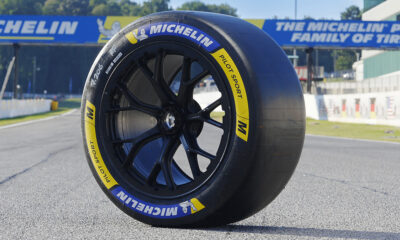
Image: Michelin
Fans lean in. Drivers stare. Is that a wet tire? Why is there a pattern on a slick? The new Michelin Pilot Sport Endurance tire is challenging what people think a racing slick should look like.
That curiosity turned viral when an IMSA Instagram reel of an employee touching the tire to Stan Bush’s The Touch racked up more than 6.1 million views, proving that this design is sparking conversation.
“People naturally come up and touch the tire,” said Raymond Cotton, director of motorsports, Michelin North America. “It is a kind of unnatural response to the tire, right? It really puts the slick in a new light.”
That attention is backed by development. After extensive testing virtually and on track, the Rolex 24 at Daytona marks the global competition debut of the Michelin Pilot Sport Endurance tire.
It will serve as the competition tire for the IMSA GTP class and the FIA World Endurance Championship Hypercar class, continuing to unite the world’s top prototype racing on a single Michelin platform.
So what exactly is the Vision tread pattern?
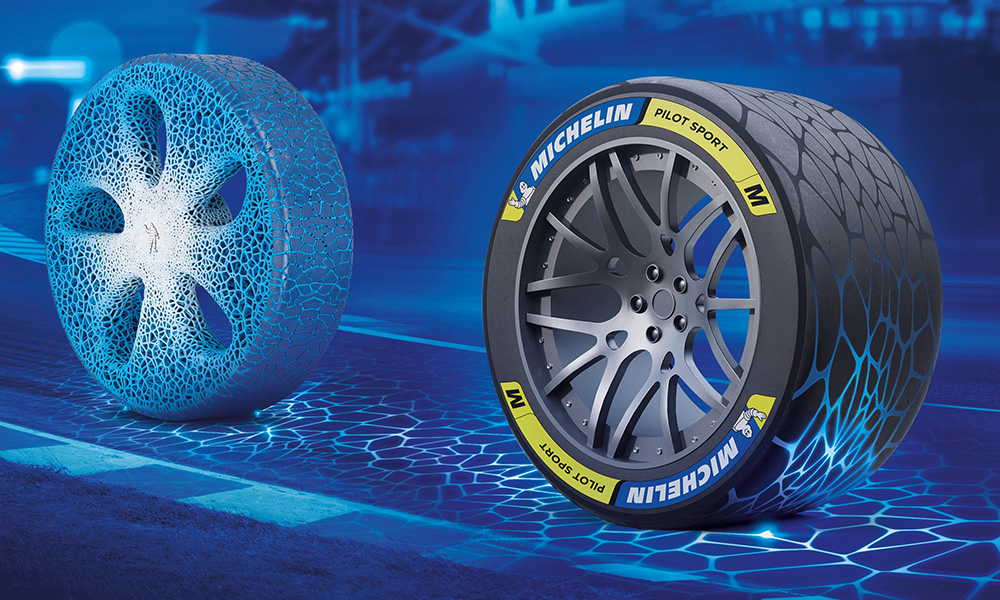
It’s inspired by Michelin’s Vision concept tire—an illustration of the company’s long-term sustainable development model and its roadmap toward using 100 percent sustainable materials by 2050.

Image: Michelin
“The pattern really gives the tire an organic form and a shape,” said Cotton. “It’s interesting. People actually want to interact with the race tire.”
The Vision concept tire is defined by an alveolar structure, similar to coral, that balances flexibility and rigidity.
Like a natural object, the Vision concept is designed with a full life cycle in mind: its creation, growth, renewal and ultimately its end of life—each stage forming part of a continuous process that doesn’t harm the environment.
The Vision tread pattern will often wear away within the first few laps on track. That’s intentional.
Its purpose isn’t to change on-track performance, but to draw attention and invite fans, teams and drivers to look beyond the surface and understand what’s inside the tire.
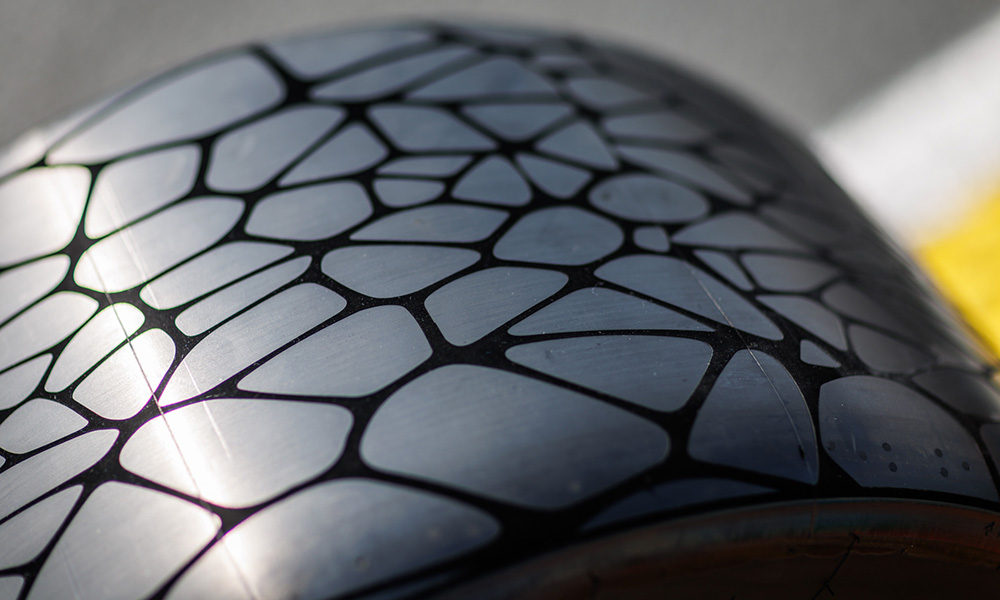
Photo: Photo Frédéric Le Floc’h/DPPI
Beneath the tread pattern, the Michelin Pilot Sport Endurance tire contains approximately 50 percent renewable and recycled materials, including recovered carbon black, bio-sourced resins, natural rubber and recycled steel.
While the visible pattern may fade quickly, the technology and materials at the core of the tire are leading to better warm-up, improved longevity and more consistency.
“We are not giving up in performance,” said Cotton. “We’re gaining in all areas and making the product considerably more sustainable.”
Now, when you see this pattern on a Michelin slick and someone nearby wonders what it is, you can tell them: it’s the Vision tread pattern.
An invitation to learn about what’s inside and how Michelin uses motorsport to drive innovation towards a more sustainable future.



WeatherTech Championship
Caldarelli: “Quite Remarkable” Start to Temerario GT3 Debut

WeatherTech Championship
Monk Confirmed for Full Season in Myers Riley Mustang

WeatherTech Championship
Bamber Now “Disappointed” With Second Place in AXR Turnaround


WeatherTech Championship
IMSA Endurance Hour Podcast: Ep. 28: Schedule Special


WeatherTech Championship
55 Entries for 12H Sebring

WeatherTech Championship
Porsche 963 Given Weight Increase for Sebring


Nürburgring Endurance
NLS1 Canceled Due to Weather

WeatherTech Championship
Mustang Sampling Returns to JDC-Miller for Rest of Season

WeatherTech Championship
IMSA Endurance Hour Podcast: Ep. 28: Schedule Special

Porsche Carrera Cup NA
Carrera Cup Drivers Voice Opinions on Sebring Bumps

WeatherTech Championship
Watch the Best 12H Sebring Finishes of All Time