Photo: Jerome Cambier/2EP/MIchelin
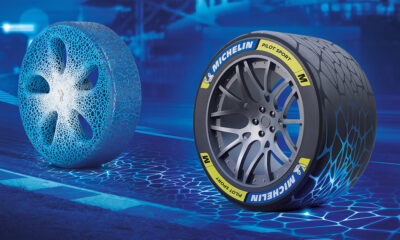
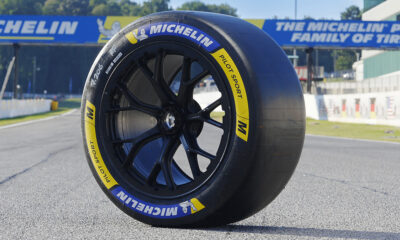
The hype was real. Ever since the Michelin Pilot Sport Endurance tire was unveiled at Le Mans last year, the curiosity has only increased.
The Vision tread pattern sparked plenty of conversation and the promise of a quicker warmup had drivers paying full attention. That anticipation finally met one of motorsport’s toughest proving grounds: a 24-hour competition debut at Daytona.
Tangible Takeaways
The quicker warmup delivered exactly what drivers hoped for. Out laps after pit stops were roughly three seconds faster compared to the previous tire range. If you’re wondering why that matters so much, just ask the Rolex 24 overall winner, Laurin Heinrich of Porsche Penske Motorsport.
“It was not only amazing for our lap time performance in the first couple of laps but also very important for driver comfort,” he said.
“Anything we get on the out laps helps us a lot and there is also a lot of time to gain, because to find three seconds per lap is extremely difficult on the car or once the tires are up to full speed.”
That gain didn’t come from one single change. It was the result of several advances working together.
“The faster warm-up came from new tread compound technologies, redesigned tire casing and improved contact patch management,” Hans Emmel, IMSA WeatherTech Series Manager—GTP & LMP2, said.
“These innovations across materials, design and manufacturing all contribute to the tire reaching optimal operating temperature more quickly.”
Improved consistency and wear were also proven out on track, something Heinrich felt inside the No. 7 Porsche 963.
“The tire compound in Daytona was extremely consistent, which was great for us drivers and for the team,” said Heinrich.
“Especially in practice, when you are working on the car and you have a consistent tire, you have one less factor that is affecting the car’s performance and balance.”
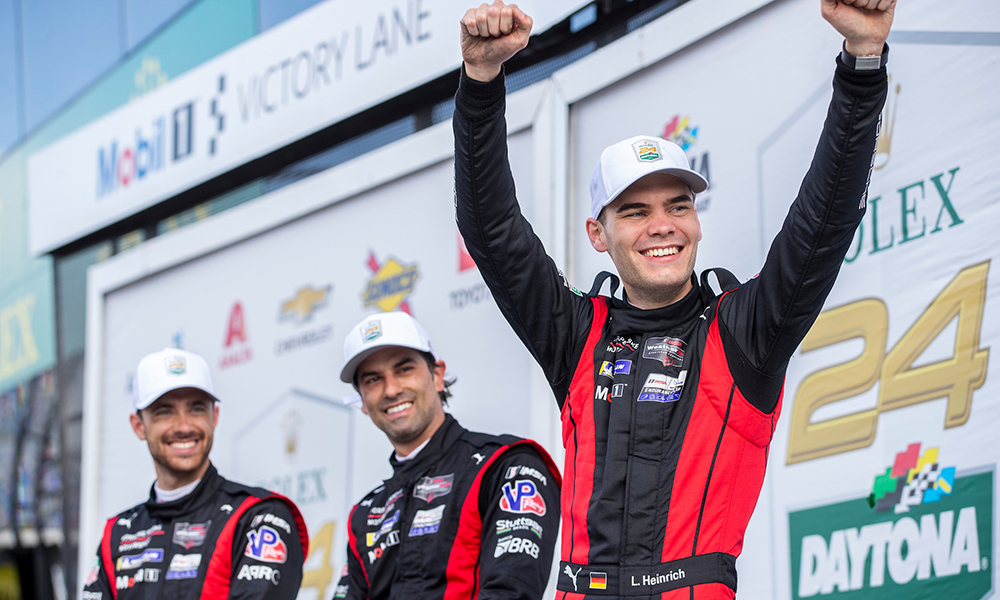
Photo: Chris DuMond/IMSA
Data! Data! Data!
A 24-hour global debut comes with a major bonus: a mountain of data. Michelin can now confirm what was learned during development and at the IMSA-sanctioned test last November.
The data also kickstarts the process of optimizing tire allocations, tire temperature windows and setup recommendations for teams in 2027.
More to Learn at Sebring
Sebring provides a much different laboratory for the new tire.
“At Daytona teams can run longer stints without significant degradation,” said Emmel. “Whereas in Sebring, especially in warm conditions, the rear tire wear becomes a challenge on a double stint.”
“Sebring is a whole different breed of racetrack, as it’s extremely bumpy,” added Heinrich. “And as we know, at Sebring it will be extremely hot, especially during the heat of the day. I expect a very hard test not only for us drivers and the car but also for the tires.”
Heinrich says he’s confident the tire will rise to the occasion— and he’s eager to see exactly how.
“Hopefully, we can learn more about the correct working window during both hot daytime conditions and then once it matters at the end when the sun sets and the moon comes out, as we say, the elbows come out between drivers and that we have a tire we can count on,” he said.
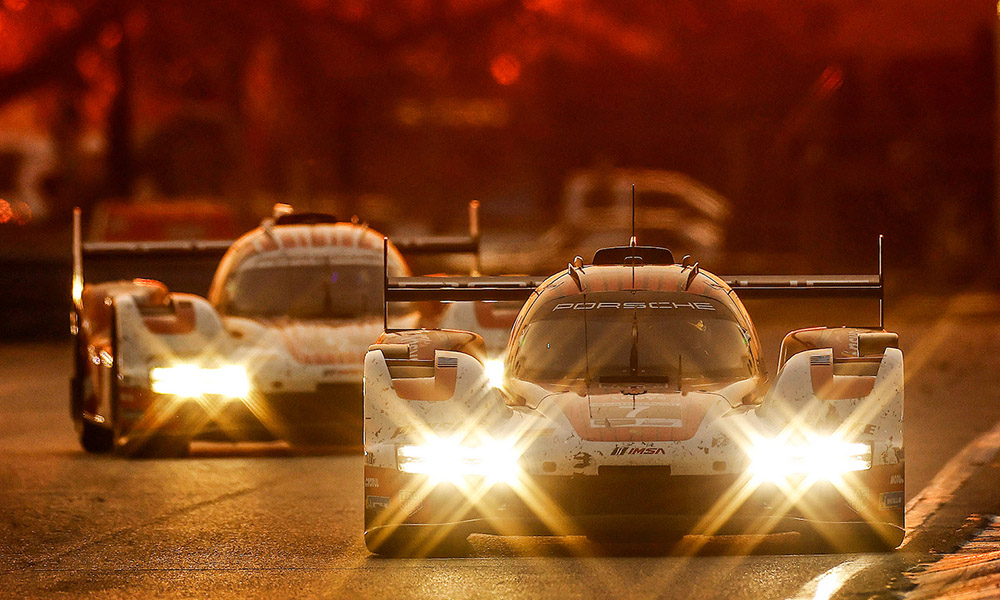
Photo: Mike Levitt/IMSA



European Le Mans Series
De Gerus Clinches Barcelona Pole in Tense Final Moment

Nürburgring Endurance
Schubert BMW Wins NLS3 After KCMG Penalty


GT World Challenge Europe
Winward Mercedes-AMG Grabs Pole for Paul Ricard Opener


European Le Mans Series
De Gerus Quickest in Stop-Start FP2 in Barcelona

GT World Challenge Europe
Stroll to Make Surprise GT3 Debut in Paul Ricard Opener

SUPER GT
Sepang 300km Set to Be Called Off

WeatherTech Championship
Sebring Delivers All-Time 115,000 Attendance Record


WeatherTech Championship
AO to Return to Long Beach With GTD Entry for King, Pederson


WeatherTech Championship
Watch IMSA’s ‘Win the Weekend’ S4 E2: Sebring

GT World Challenge America
Watch SRO America’s Sonoma Postcard

WeatherTech Championship
IMSA Endurance Hour Podcast: Ep. 29: Hawksworth & Gonzalez

Toyota GR Cup NA
Watch Full-Length Replays of Rounds 3 & 4 at Sonoma