Photo: SUPER GT
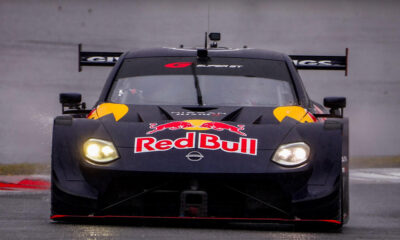
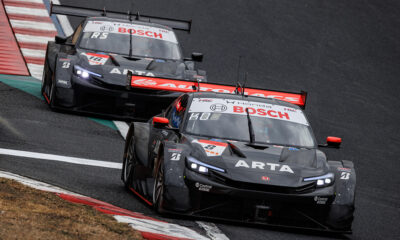
SUPER GT is set for a significant cut in fuel flow in the GT500 class as it implements a revised set of success handicaps for the upcoming season.
Until now, the cars in the series’ top category have run with a baseline fuel flow of 95 kg/h, which was reduced by the use of fuel flow restrictors as a means to slow down the cars that had accumulated the most nominal success ballast.
However, in a change to the 2026 sporting regulations that became public on Thursday, the base figure, which applies to a car that has a nominal handicap of up to 50 kg, has been cut to 90.2 kg/h — previously the stage two fuel flow restrictor level.
When the nominal handicap exceeds 50 kg, fuel flow will be cut to 88 kg/h, equivalent to last year’s stage three fuel flow restrictor, and will not be further reduced when the previous stage two and three thresholds (68 kg and 85 kg respectively) are reached.
Instead, a new two-stage system of refueling rig restrictors designed to increase the length of pit stops will be used, the first kicking in at 68 kg and the second at 85 kg.
Exact values for these new restrictors have yet to be determined by the GTA.
A similar system was introduced in the GT300 class last year as an alternative to increasing physical ballast amid concerns the cars were becoming too heavy.
The move follows the decision to mandate just a single engine for the entire season in GT500, as a consequence of reduced fuel flow is to improve engine life.
Previously, teams were permitted two engines per season, which allowed each manufacturer to introduce an improved ‘Spec 2’ engine during the season, but the move to a single unit per year effectively outlaws in-season developments.
Last season, however, it is known that several GT500 teams were granted the use of a third engine without penalty owing to issues arising from the use of the carbon-neutral ETS Racing Fuels-supplied fuel that was mandated for the top class.
As previously reported by Sportscar365, SUPER GT’s deal with ETS parent company Halterman Carless is set to be cut short having originally run through 2026.
An additional change to the handicap system from last year is that physical ballast will no longer be tailored according to the number of points scored above 50 kg.
Previously, cars in each fuel flow restrictor bracket had physical ballast adjusted to reflect the number of points scored (within a range of 34-50 kg for stages one and two and 35-50 kg for stage three), but now all three levels will result in 50 kg of extra weight.



GT World Challenge America
Sonoma Saturday Notebook

GT America
Gidley Dominates Race 1 at Sonoma

Toyota GR Cup NA
Kohlbecker Wins as Fletcher Falters in Sonoma Race 1

McLaren Trophy America
Pintos, Schmidt Take Last-Gasp Saturday Victory at Sonoma

GT World Challenge America
Braun Leads Kellymoss Porsche 1-2 in Final Sonoma Practice

Pirelli GT4 America
Workman, Gonzalez Sweep GT4 Weekend at Sonoma


Nürburgring Endurance
Verstappen Mercedes-AMG Disqualified for Tire Rules Breach

WeatherTech Championship
Estre Accuses Nasr of Violating Porsche Penske Team Orders

WeatherTech Championship
No. 10 WTR Cadillac Loses Sebring Podium Finish

Nürburgring Endurance
Verstappen Wins NLS2 by One Minute on Mercedes-AMG Debut


Porsche Carrera Cup NA
Watch Full-Length Replays of Rounds 1 & 2 at Sebring

Lamborghini Super Trofeo NA
Watch Full-Length Replays of Rounds 1 & 2 at Sebring

Mustang Challenge NA
Watch Full-Length Replays of Rounds 1 & 2 at Sebring

Porsche Carrera Cup NA
Inside the Germany to Sebring Journey for Porsche 911 Cup

Michelin Pilot Challenge
Watch the Full-Length Replay of Sebring 120