Photo: Peugeot
Peugeot team principal Emmanuel Esnault believes the French manufacturer has already “eradicated some issues of the current car” following an initial test of potential Evo joker upgrades for next season.
It has been a tough FIA World Endurance Championship campaign for Peugeot this year with the brand languishing in seventh place out of the eight Hypercar manufacturers with just one top-seven finish to date.
Esnault explained that Peugeot had deliberately saved the vast majority of its test dates for the second half of the season to enable it to focus on assessing substantial upgrades to the 9X8.
Peugeot plans to introduce a heavily revised car for 2027, but it has already used all of its permitted Evo jokers in the current period and is therefore reliant on securing additional jokers on the grounds of it being deemed by organizers to be at a significant performance disadvantage.
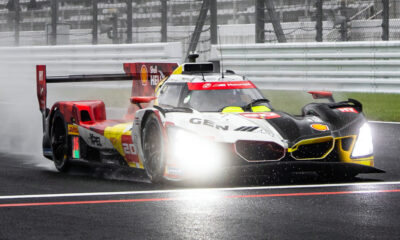
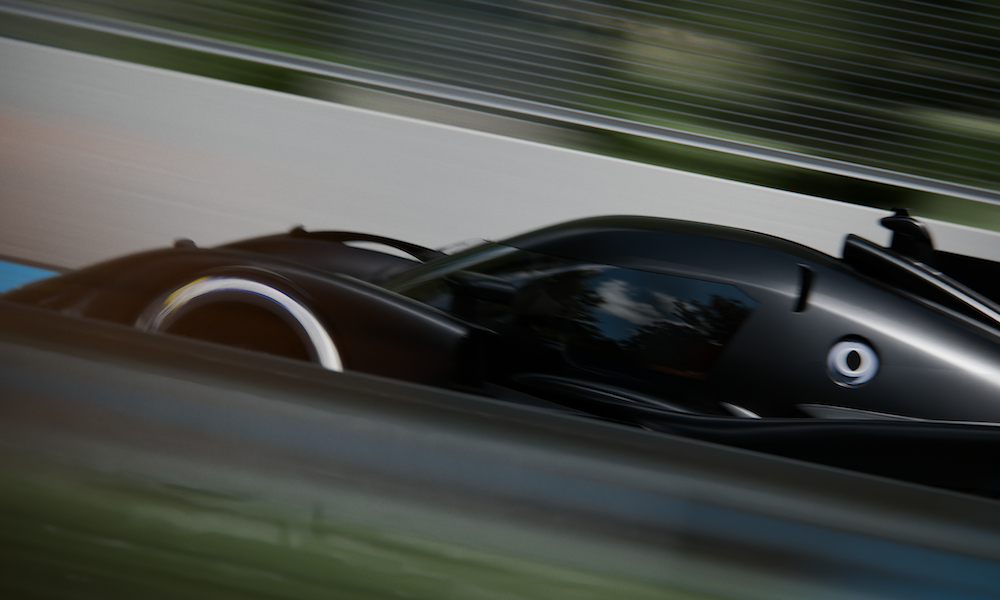
Images from the initial two-day test at Paul Ricard in late July showed widespread changes to the bodywork with Peugeot adopting a more similar approach to the rest of the Hypercar contenders.
Esnault said the test was “positive” with Peugeot notching up over 1,600 kilometers during the two days, before moving on to Portimao earlier this month.
Further tests are planned at Silverstone next month and what Esnault described as a “big one” at Paul Ricard in December.
Four of Peugeot’s current WEC drivers took part in the initial test — Loic Duval, Nick Cassidy, Theo Pourchaire and Malthe Jakobsen — along with Jean-Eric Vergne, who stepped back from a race seat this year to concentrate on sister brand Citroen’s entry into Formula E.
“We don’t want to be over-optimistic, of course we know between having this situation and transforming the car into a winning car there’s a lot to do, but at least we have the feeling to have eradicated some issues of the current car, which is good,” Esnault said.
“We’re in a phase of finalizing the package and we’re going to make, potentially, later on a comparison with the current car but it has to come at the right time in terms of the process — it does not make sense to do it now.
“At the first stages you need to gather some data, do some mileage in the car to understand a few things before moving up to the performance side of it.”
Esnault was reluctant to give details about the scale of the planned changes when asked by Sportscar365, stating: “We are assessing different specs, so we will not communicate until the car will be homologated because it’s a long process and we want to make sure once we communicate the content of the package it’s fully aligned with what can be homologated.
“The obvious part of it is the new aerodynamic package but there’s also some other stuff to eradicate the issues we have with the current car and to improve the overall performance and drivability.”
Duval said it was “too early” in the process to go into any detail about how the revised car felt to drive but described the test as “really good according to what was the plan.”
He added that working on the upgrades gives renewed motivation to the whole team after the tricky campaign so far.
“It’s important for everybody within the group to have some expectations and a vision,” said Duval. “Of course we’ve had some hard times, we’ve had some good times also and we’ve improved a lot as a team.
“Having that opportunity to develop something new with the knowledge we have I think it’s important for everybody and brings a lot of motivation for the future.”




Intercontinental GT Challenge
De Phillippi to Complete Turner BMW Lineup for Indy 8H

GT World Challenge America
Dyszelski: Open-Wheel Know-How Helped in Rapid GT3 Debut

FIA WEC
Fuji Saturday Notebook


24H Series
24H Dubai to be Moved to Kyalami


Asian Le Mans Series
Asian Hypercar Class in Jeopardy for 2026-27 Season


Intercontinental GT Challenge
Spinelli Confirmed as Third Driver in CPT Lambo for Indy

WeatherTech Championship
Acura to Run ‘Thank You’ Livery for Final Two IMSA GTP Races

FIA WEC
Watch WEC’s Fuji Race Preview

WeatherTech Championship
Watch the Full-Length Replay of Battle on the Bricks

Porsche Carrera Cup NA
Watch Full-Length Replays of Rounds 11 & 12 at Indy

Lamborghini Super Trofeo NA
Watch Full-Length Replays of Rounds 9 & 10 at Indy

WeatherTech Championship
No Letting Up at Indy as Team WRT Takes First IMSA GTP Win